Skip to content
A total of 97% of the Galapagos Islands is protected under national park status and is maintained much as it was when Charles Darwin first set foot in the archipelago. However, many are surprised to see that the remaining 3% is home to the rather not-so-endemic human being. Puerto Ayora, with its hydrangea-covered fences and streets bustling with people and cars, is surprisingly similar to any other small Ecuadorian port town, and although it is not what we typically expect of the Galapagos, it has many joys of its own to share.
Diego Zapata

Rosa Mena
Sandy Lara
Diego Zapata
Rosa Mena
Sandy Lara
Town life
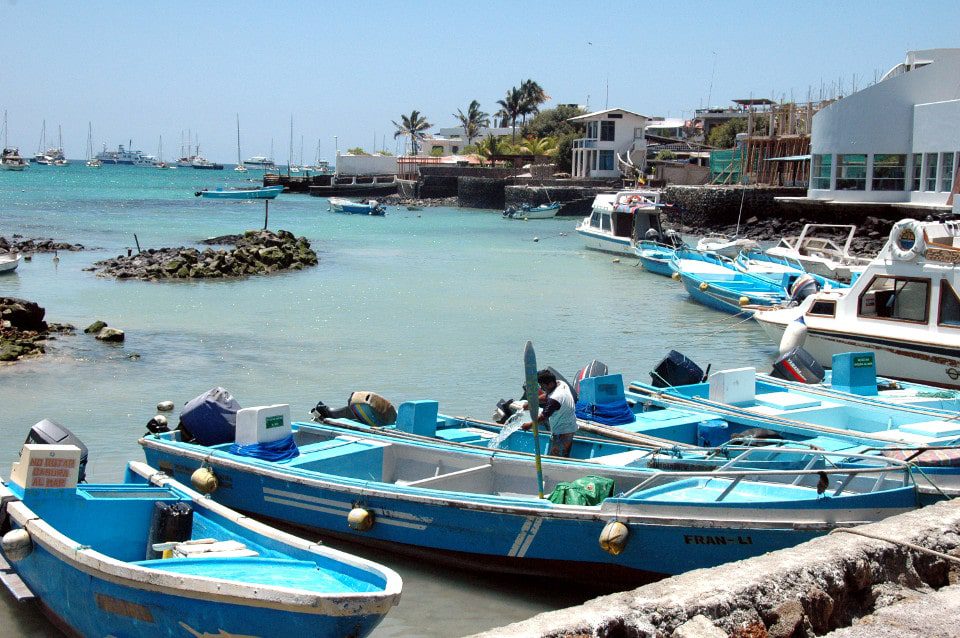
This small town is the hub of tourism and human activity in the Galapagos and offers a delightful evening for travel-worn visitors. With a population of approximately 15,000 inhabitants, Puerto Ayora is the largest town in the archipelago, but still a comfortable size to traverse on foot. Guests may settle down in outdoor bars, boutiques, and oceanfront hotels while enjoying international cuisine and the local life after a busy day of exploring Darwin’s ‘living laboratory.’ The people are extremely friendly and proud of their home, but in general terms, the English level of inhabitants is quite basic.
Puerto Ayora serves as an excellent starting point to explore the many ecosystems of Santa Cruz. It is a good option for those who want to take an extra night or two after their cruise to relax and make the most of their beach vacation.
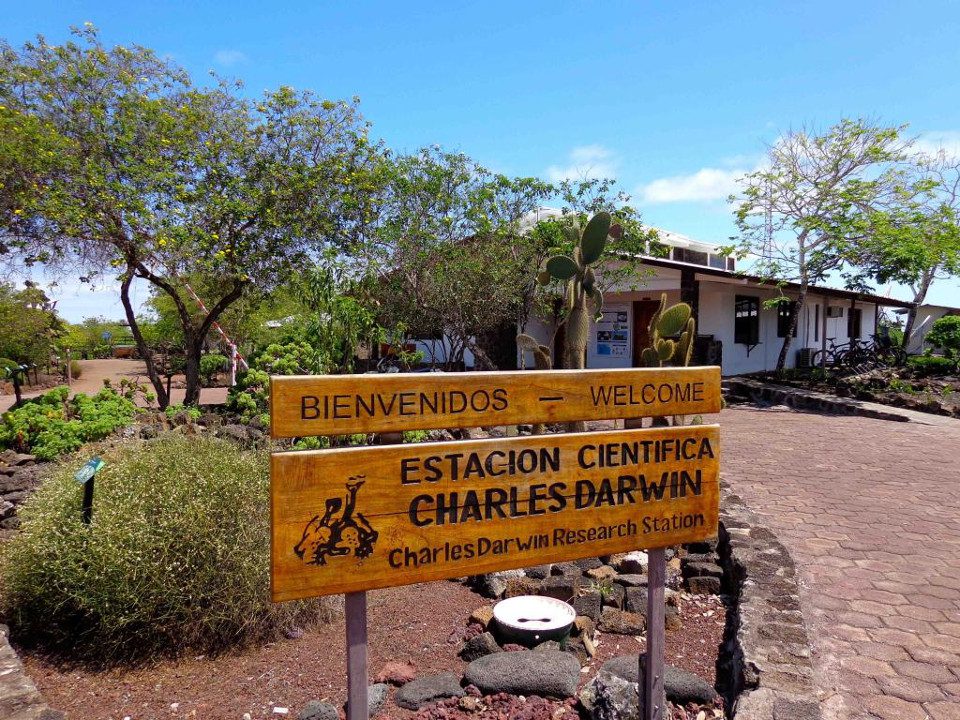
Charles Darwin Research Station
Puerto Ayora is famously home to the Charles Darwin Research Station, a focal point for scientific research that has welcomed scientists from all over the world. The research conducted at this center has led to groundbreaking discoveries and provided detailed knowledge on the flora and fauna of the islands, which is then used for various preservation and breeding programs. The CDRS also has a terrific visitor center that invites guests to learn about the climate, geography, and evolution of the Galapagos Islands, as well as the current conservation programs that are underway.
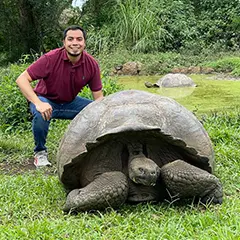
The CDRS is also well known for its tortoise breeding program, which has been remarkably successful over the years and saved a number of tortoise populations from near extinction. It also served as the last home of the late Lonesome George; the last of his species who unfortunately died in 2012 at over 100 years old. Visitors are welcome to tour the site, where they can observe the giant tortoises at any age, from just a couple of weeks to over one hundred years old.
Tortuga Bay
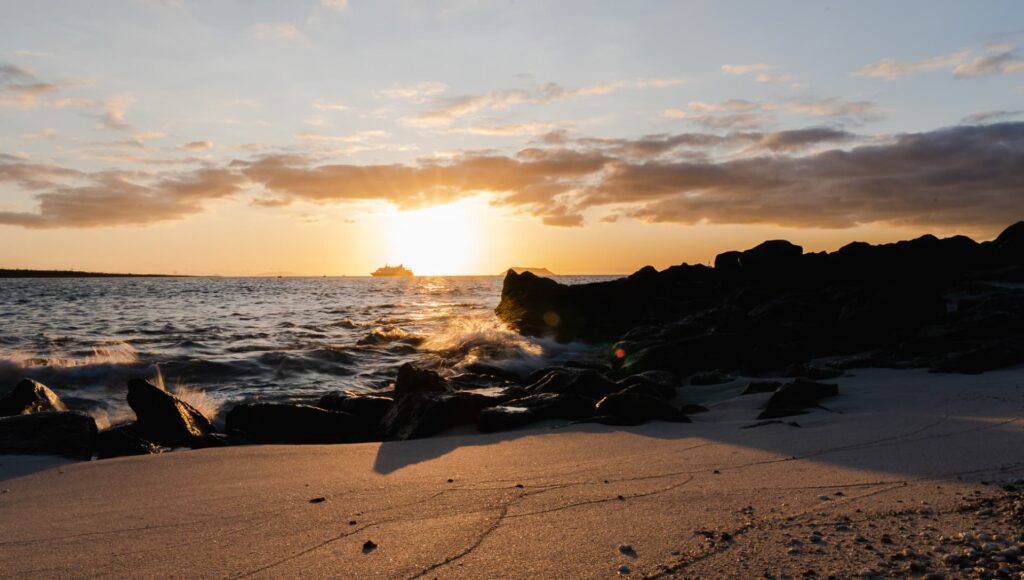
On the other hand, Puerto Ayora is also known for the incredibly beautiful Tortuga Bay, located a half an hour walk from the town. Although the walk can be tiring under the hot sun, this absolutely spectacular stretch of beaches covered in soft, white sand and crystal-clear turquoise waters is certainly worth the effort. The beauty is further emphasized by the solitude of the beaches. As the bay is too far for most locals, you will typically have this marvelous white crescent to yourself, with just the odd pelican, iguana or sea lion for company. The bay has two separate beaches: Playa Mansa and Playa Brava. Keep in mind that Playa Brava tends to have very large waves and strong currents, so while it is excellent for surfing, swimming can be quite dangerous.
Javier Garcia
Eduardo Silva

Carolina Escobar
Javier Garcia
Eduardo Silva
Carolina Escobar
Island tours – Puerto Ayora
However, for those who are feeling more adventurous, the town also offers access to a number of outdoor activities and exploration. Farther inland on Santa Cruz, there are lush and rich highlands covered in misty forests of Scalesia trees (a relative of the common daisy) where giant tortoises roam in their natural habitat and local farms practice age-old traditions. There are also several lava tunnels, which visitors can climb into and explore kilometers into the darkness. However, one of the more famous outdoor visitor sites is Los Gemelos (The Twins) – two enormous collapsed magma chambers, a powerful introduction to the forces of nature and geology. This area is also excellent for bird watching; many of the land birds found in the Galapagos archipelago has been seen on Santa Cruz.
Unlike on all other islands, visitors are free to roam Santa Cruz as they wish, for the most part. Mountain biking is an excellent way to see life on the islands like few tourists do. Bikes can be rented along the main streets in Puerto Ayora. Jeep tours are also a marvelous way to visit the highlands. Guides are happy to take visitors on tours throughout the island and discuss its history and beauty like only a local can.